Scars
Disturbing scars on the skin?
Although a scar can never be removed in its entirety, we can significantly improve it. We can also help 'fresh' scars (younger than 1 year) develop smoother, flatter and less visible. Both discolouration and unevenness can be treated well.
But how exactly does the treatment work? What should you take into account? And what results can you expect?
Had several treatments and you get the desired results without losing your natural look. Always friendly, calm, very professional and service-oriented.
Sabrina
How exactly do scars form and when can they be treated?
Skin therapist Naomi explains:
Scars can be caused by acne, by (abrasion) wounds or surgery.
The process of scarring can take 1 to 2 years. During this period, the scar generally becomes softer, flatter and may fade. After that, the scar is mature and permanent. Many times, scars show permanent red and brown discolouration (pigment) and the skin may be raised or deepened. This can look unsettled and therefore disturbing.
To promote the healing process, our powerful IPL and laser can be used fairly soon after wound formation. By doing so, we direct the healing process in such a way that the scar eventually becomes less visible, flatter and smoother. So it is always a good idea to have scars treated as early as possible to promote healing.
Scars that have matured can also still be treated. Here, discolouration can be reduced and we can usually also improve the texture slightly.
Coming home. Professional, customer-oriented and excellent
Caroline
Our solution
Using our powerful IPL and lasers, we can significantly improve scars. Although old scars can also always be improved, our advice is to visit us as soon as possible after wound healing. By treating the skin during the healing process, the scar will eventually become smoother, flatter and less visible.
All treatments force the skin to renew and stimulate the production of collagen and elastin. As a result, the skin rejuvenates, pores refine, skin appears fresher and will firm up. The aim of each treatment is to have a positive impact on how you feel, both in your personal and professional life.
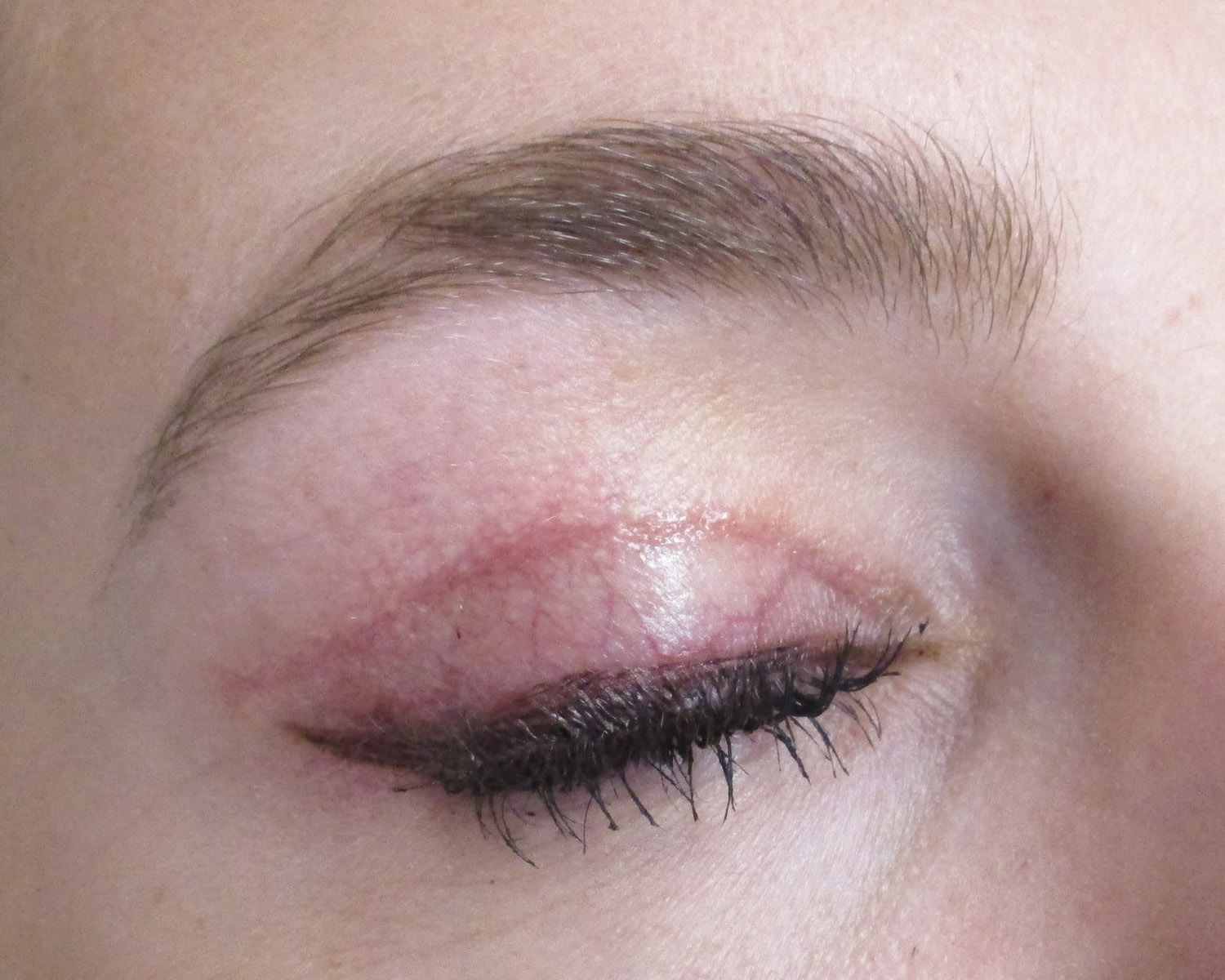

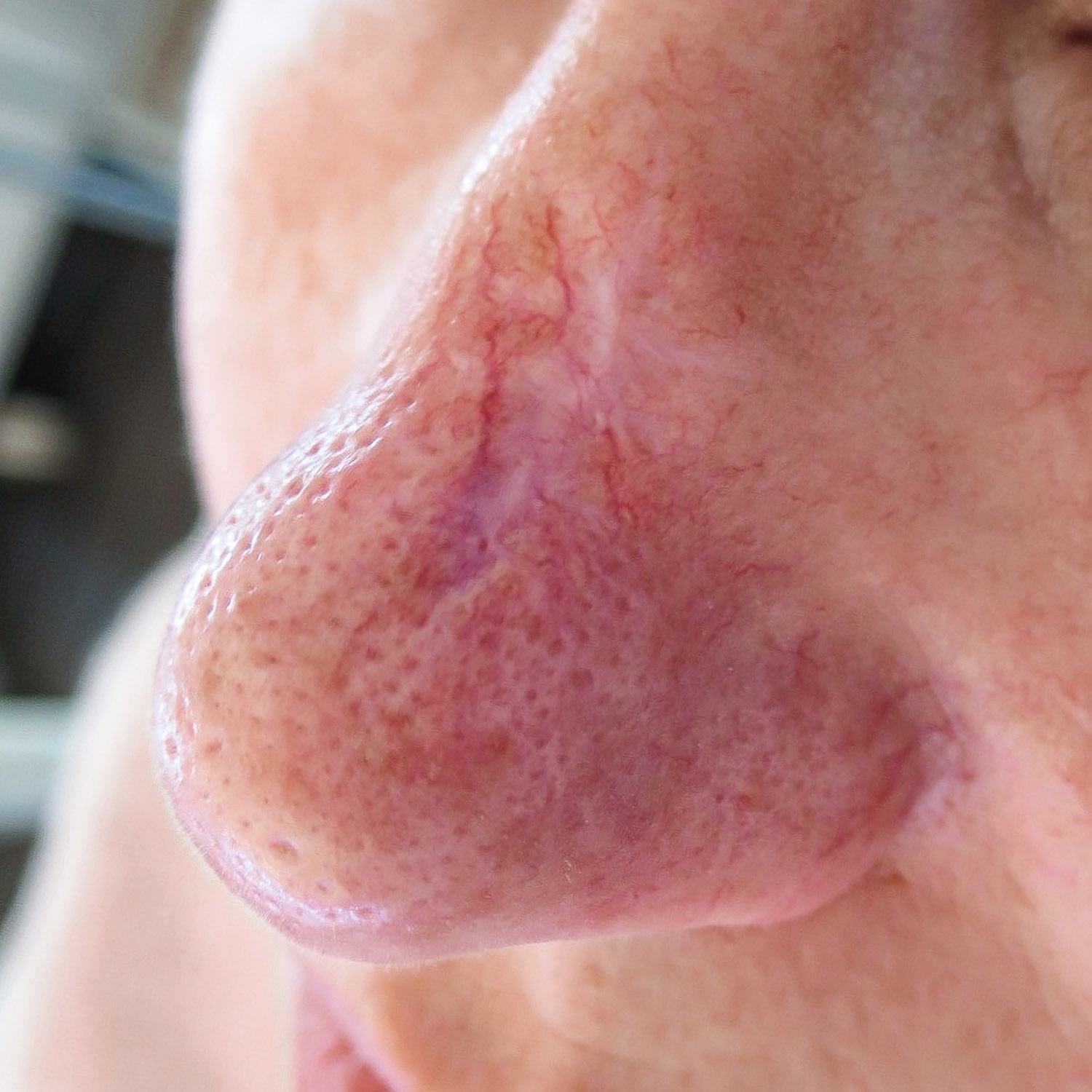
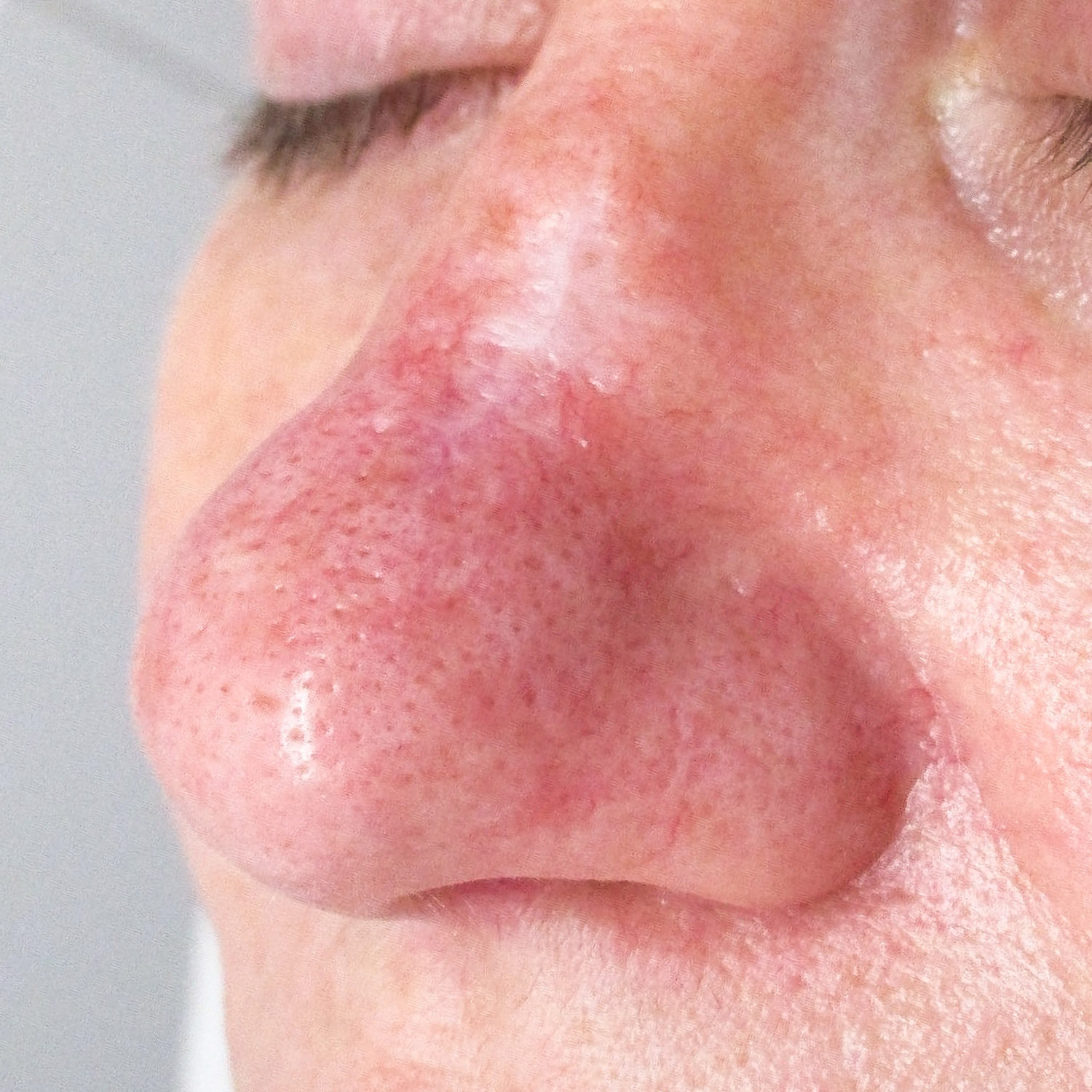
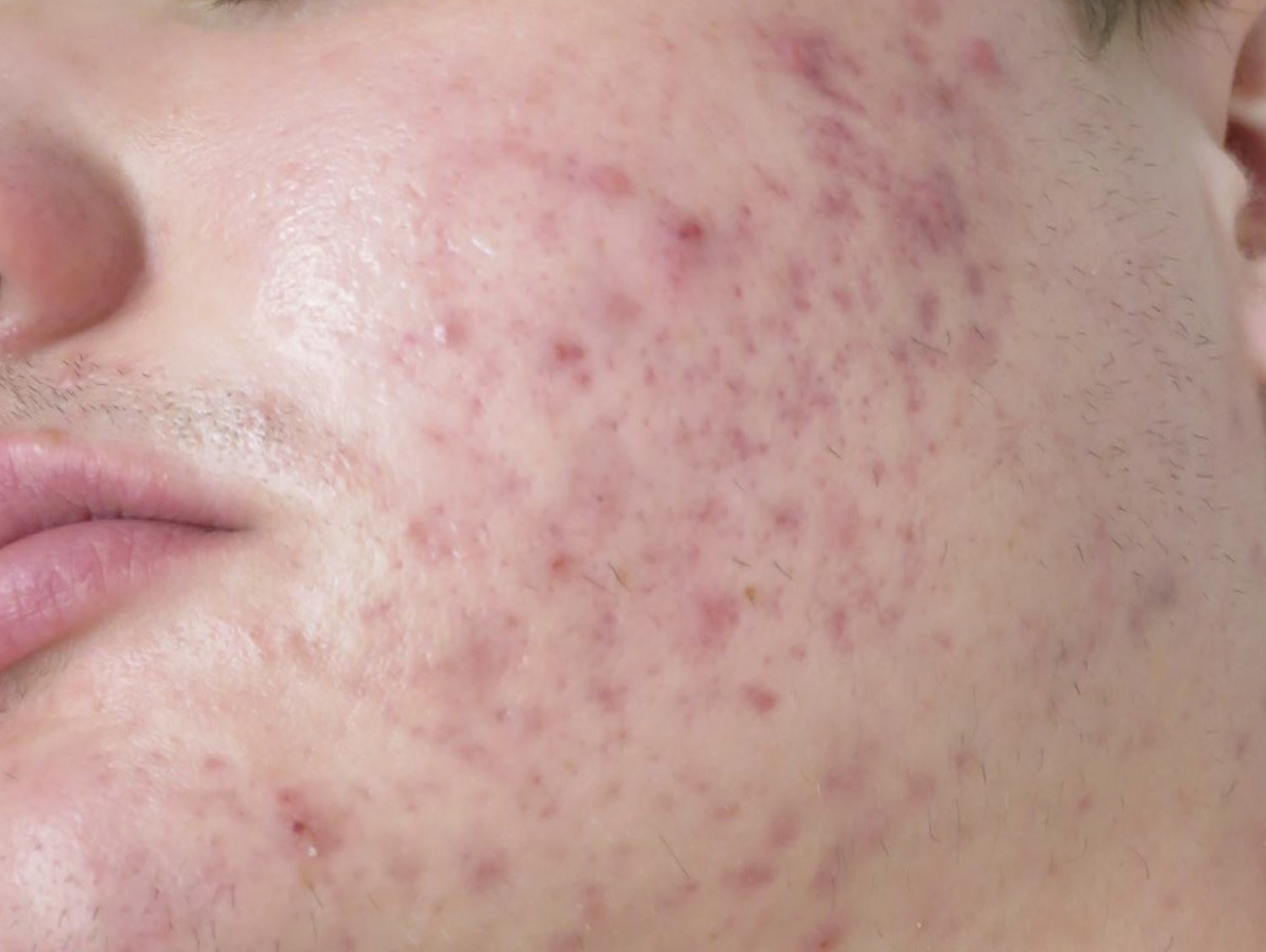

The consultation
Every skin and scar is unique and requires a different approach. This is why we always want to see the skin first before treating.
During a consultation with one of our experienced skin specialists, a personal treatment plan will be put together for you. Your wishes, the possibilities and what you can realistically expect from the treatment will be discussed in detail.
With more than 30 years of experience, we have treated a wide variety of skin and scars
A consultation with one of our laser specialists costs € 50,-. These costs will be deducted from the costs of the first treatment, provided the treatment takes place within 6 months of the consultation date. If you are already fairly certain that you wish to be treated, we can usually combine a consultation with an initial treatment on request.
Three reasons to choose us:
Honest information and appropriate treatment. Be helped pleasantly, and all time is taken for you. No rush job!
Marion
Treatment
We have several methods to improve scars, each with unique properties. In our experience, a combination of methods often leads to the most beautiful results.
Every skin is unique. So are our treatments.
Which treatment suits me?
Laser specialist Tanja explains:
In general, we almost always use IPL to counteract redness and pigmentation of the scar. Here, we also often use one of our lasers.
If the scar is also raised or deeper, we can apply fractional therapy to smooth the skin slightly.
With fractional therapy, one may choose to use PRP for accelerated healing and an extra boost in collagen and elastin production.
Using the Ellipse IPL (Intense Pulsed Light), vessels, redness and pigment in and around a scar will fade. Collagen production is also stimulated, rejuvenating and firming the skin. Pores refine and skin tone evens out.
How it works
The Ellipse IPL gives short flashes of intense light. The skin absorbs the energy from the flashes of light, causing redness and pigmentation to fade, inhibiting inflammation and improving skin texture.
Pre-care
It is important that the skin is as light as possible (not tanned) before treatment with the IPL.
- Avoid exposure to the sun or sunbed 3 to 4 weeks before treatment.
- Self-tanning cream (bronzer) should also be avoided for 1 week before treatment.
- If you pregnant are or breastfeeding gives you cannot be treated.
Aftercare
After treatment, please note the following:
- The skin may be somewhat darker after the treatment at the site of pigment and red vessels discolouration and scabs show. This is the sign that the pigment and red vessels will fade. Please leave the scabs in place. The discolouration and scabs disappear in 1 to 2 weeks on average.
- The first 3 to 4 weeks no sun and no sunbed. During this healing period, we also recommend not using self-tanning cream (bronzer).
Pigment aggravated by sunlight and tanning beds. If you are prone to build-up pigment disorders, you will need to be vigilant in the sun all year round.
We recommend always using a cream with protection factor (at least SPF 30) and reapplying it every 2 hours if you go out in the sun.
Results
The light from the IPL is absorbed by the skin and converted into heat. As a result, pigment and any redness in the scar fade away, pores shrink, skin appears fresher and texture improves.
The treatment gives long-term results, partly because the skin continues to produce collagen in the months following treatment. External factors such as sun exposure can re-damage the skin in and around the scar, however.
Fractional therapy is one of our most intensive methods of skin rejuvenation and renewal. The blemishes of acne scars can be treated well with this method.
How it works
Tiny regular holes are made in the skin in a controlled manner. This forces the skin to renew itself and form new collagen. Unevenness is reduced and the skin feels firmer. Our laser specialists use the Erbium Yag laser, Venus Viva, Tixel, or Ydun laser for this method.
Erbium Yag
The laser beam of the Erbium Yag works on the moisture present in the skin and evaporates the upper skin layers by means of a fractionated laser beam. When a laser beam is fractionated, it is divided into smaller light beams. The laser beam makes minuscule holes in the skin, forcing it to recover and renew. The recovery time of an Erbium Yag treatment is approximately 7 to 10 days.
Venus Viva
In the Venus Viva fractional method, tiny holes are punched into the skin using micro-needles. This technique is also known as "fractional needling" or "micro needling". The Venus Viva's fractional method is combined with radiofrequency, generating heat in the skin. This stimulates the production of collagen and fibroblasts.
A Venus Viva treatment can also be combined with a PRP treatment (Platelet Rich Plasma) to further stimulate skin rejuvenation. The recovery time of a Venus Viva treatment is approximately 5 to 7 days.
Tixel
The Tixel is a form of thermal skin rejuvenation. The head of the Tixel is 1 cm2 in size and consists of small titanium pins. These pins are not sharp and are heated to 395 degrees Celsius before treatment. During treatment, these pins are briefly shot against the skin. The heat from the titanium pins then creates small holes in the skin. This process is also called thermo-mechanical ablation. These controlled micro-holes force the skin to heal and renew and stimulate the production of collagen and elastin. The downtime (recovery time) is on average 7-10 days.
Ydun
The Ydun uses a fractional laser beam to create tiny holes in the skin, forcing it to renew. In the deeper skin layers, the production of collagen is stimulated. This restores connective tissue and smoothes the skin's surface. The recovery time of the Ydun treatment is about 7 to 10 days.
Pre-care
Before treatment with fractional therapy can take place, the following are important:
- For 3 to 4 weeks before treatment no sun and/or sunbed. The skin should not be brown from the sun.
- At active acne the skin cannot be treated with fractional therapy
- If you occasionally suffer from a cold sore it is important to notify the practitioner at least 1 week in advance.
- If you pregnant are or breastfeeding gives you cannot be treated.
Number of treatments
For optimal results, several (at least three) treatments are recommended. There should be a minimum of 4 weeks between each fractional treatment. The exact treatment plan is put together by the practitioner and is based on your skin.
Aftercare
After fractional treatment, the following practical matters are important:
- The skin will still have some irregular red see and be swollen, this is normal. The skin may also feel tight and dry.
- Sauna, sports and swimming are not recommended for the first 24 hours after treatment.
- The skin may possibly go a bit flake, this process takes about a week.
- No sun and/or sunbed for at least three to four weeks. A good sunscreen (SPF 30 or higher) is recommended at all times.
Results
After the healing process, the results become visible over time. The skin continues to produce collagen in the months following treatment, thereby rejuvenating and improving.
An optimal result is usually achieved after multiple treatments. The laser specialist will construct a treatment plan based on your skin during the first consultation.
PRP treatment uses a high concentration of growth factors from the patient's own blood to improve skin quality.
Platelet Rich Plasma is blood plasma that is high in platelets and growth factors. This plasma plays an important role in skin repair and rejuvenation. Growth factors from one's own blood have been used for years in orthopaedic and dental procedures to promote healing. In cosmetics, this treatment is also known as the 'vampire lift'.
How it works
A small amount of blood is taken first. This blood is processed in a specially developed system to isolate the PRP in a safe and clinical way. During this process, the blood plasma including the platelets (the PRP) is separated from the rest of the blood.
The plasma is then administered in combination with a skin-rejuvenating fractional treatment. The fractional treatment creates extremely fine holes in the skin in a controlled manner, forcing the skin and scar to regenerate and rejuvenate. Fractional therapy stimulates the production of collagen which firms the skin, fades irregularities and gives the skin a fresh complexion. Administering PRP with growth factors during this treatment speeds up the healing process and further stimulates collagen production.
Pre-care
Before the treatment can take place, you should consider the following:
- For 3 to 4 weeks before treatment no sun and/or sunbed. The skin should not be too tanned from the sun.
- At active acne the skin cannot be treated.
- If you do suffer from a cold sore it is important to notify the practitioner at least 1 week in advance
- If you pregnant are or breastfeeding gives you cannot be treated.
Aftercare
After fractional treatment with PRP, the following practical issues are important:
- The skin will still have some irregular red see and be swollen, however, this is normal. The skin may also feel tight and dry.
- Sauna, sports and swimming are not recommended for the first 24 hours after treatment
- The skin may possibly go a bit flake, this process takes about a week.
- No sun and/or sunbed for at least three to four weeks. A good sunscreen (SPF 30 or higher) is recommended at all times.
Results
As the skin heals and produces new collagen and elastin, the unevenness of the scar will improve. The skin rejuvenates and looks calmer.
Treatment with PRP has optimal results when repeated a number of times. On average, 3 to 5 treatments are desired.
Was very well helped and informed in a short consultation. Learned so much. Walked out of the clinic satisfied. Thank you!
Imke
Our experts
Over 30 years of experience
The skin is our largest organ and deserves all our attention and expertise. With more than 30 years of experience, our specialists have treated a wide variety of skin types and scars. As a result, they have the knowledge and experience to treat your skin in a safe and effective manner.
The skin is our largest organ. You want the best for that too, don't you?
How can I be sure I am in safe hands?
Choice Guide
- How to choose a good clinic and cosmetic practitioner? Here we'll provide you with some tips
Nowadays we are flooded with cosmetic treatments, trends and hypes. In every neighborhood of the city there are several clinics that offer various types of treatments, each claiming to be better than the other.
But how do you choose a good clinic? And how do you know for sure that you end up with a competent practitioner?
We are happy to help you on your way with our choice guide:
First the basics
- First, check if the clinic has a good reputation or if you know people who can recommend the clinic. A quick Google search for the clinic in question will get you a long way. Now, you don't have to be put off by a few bad reviews, but if a clinic has a lot of negative reviews, it might be smart to look elsewhere.
- Who do you have an appointment with and is that the person who will also treat you? You can ask these questions directly by phone or email at the reception. It is wise to then google that practitioner and see if they have the right certifications and diplomas, regardless of what is stated on the website of the clinic itself. You can search for a skin therapist, cosmetic doctor, or plastic surgeon.
The consultation
Once you have chosen a clinic and practitioner, it is time for a consultation. During this consultation you can ask the following questions:
- How often should I be treated?
- What degrees and certifications do you have?
- How much does a treatment cost?
- What kind of aftercare do you provide and is this included in the price?
- What happens if the result is not good enough?
Lastly…
- Were all your questions answered properly during the consultation? Realize that you have every right to ask questions and that these must be answered clearly.
- Take your time. A practitioner should never force you to undergo a treatment right now. Does it feel pushy? Or do you still have doubts? Then say that you would like to think about it and that you will contact them if you want to start the treatment.
Number of treatments
On average, at least 4-7 treatments are needed to achieve good results. Depending on the location of the scar, another appointment may be made after 4 weeks for a scar on the face, or after 6-8 weeks for a scar on the body.
Pleasant reception. Treatment was explained well. Overall very pleasant experience
Joost
Results
Our methods fade the discolouration of scars and improve blemishes such as pits. Although we can usually improve scars substantially, we can almost never remove them completely. For example, we cannot get rid of white discolouration (as there is no more pigment in the skin) and we can improve thickening or deepening but never remove 100%.
Several treatments are almost always needed for optimal results. The result of each treatment is visible only after several weeks.
From sun and rain to scratches and harsh make-up cleansers: the skin protects us every day. Not a bad idea to do something in return, right?
The treatment of scars has the positive side effect that the quality of the skin overall improves. The production of collagen is stimulated, pores are refined, the skin firmness and elasticity is improved, wrinkles are reduced and the local blood circulation is promoted. As a result, the skin looks fresher and smoother.
Very good advice received and we were also able to take immediate action - I'm super happy!
Roland
Prices
A scar treatment starts at € 90,-.
The exact price, together with a personalised treatment plan, will be drawn up during the consultation with one of our laser specialists.
A consultation with one of our laser specialists costs € 50,-. These costs will be deducted from the costs of the first treatment, provided that this treatment takes place within 6 months after the consultation date. On request, we can in most cases schedule a consultation with a treatment immediately afterwards.
Q&A
What is an atrophic scar?
Skin therapist Naomi explains:
An atrophic scar is a sunken scar. The scar is deeper in the skin and thus resembles a dimple or pit. In this case, too little connective tissue (collagen) has been produced during wound healing and scarring.
What is a keloid scar?
Skin therapist Claire Lune explains:
In contrast, a keloid scar involves too much connective tissue. The scar is often raised and has grown outside the wound edges. The scar also often looks shiny, swollen and smooth.
What is a hypertrophic scar?
Laser specialist Tanja explains:
In a hypertrophic scar, like a keloid scar, too much scar tissue (collagen) has been produced. As a result, the scar is higher. However, hypertrophic scars are limited to the wound edge (they do not grow beyond it) and are usually red as well.
Can you treat all types of scars?
Skin therapist Naomi explains:
We can hypertrophic and atrophic treat scars properly. The final result varies from scar to scar, but generally we improve discolouration (pigment and redness), firmness and texture. Thickening and floors are more difficult to get rid of, but will also improve slightly.
Keloid scars we cannot treat, as lasers and IPL can actually stimulate excessive scarring in these cases.
My scar is white, can you treat that too?
Skin therapist Naomi explains:
White discolouration caused by a scar unfortunately cannot be removed.
A scar becomes white because the pigment is reduced during the healing process such that a lighter or white skin colour remains. When pigment is gone from the skin, we cannot bring it back with a laser.
We can, however, improve all other discolouration and blemishes around it so that the scar and skin become calmer and less noticeable.
What is the expected end result?
Laser specialist Tanja explains:
With IPL and lasers, discolouration will fade and skin texture will improve. This will give the scar a calmer appearance and make it less noticeable. Imperfections such as pits and thickening will also improve, but will never 100% go away. So overall, the scar will never go away completely, but it will improve and be less noticeable.
How long does a treatment take?
Skin therapist Claire Lune explains:
The duration of a treatment depends on how large the area and scar is and which method is used. As an indication, treatment of a small scar can be completed in as little as 10 minutes, while treatment of breast augmentation scars takes about 25 minutes.
I would like the same practitioner all the time, is that possible?
Laser specialist Tanja explains:
Of course you can! What's more, you basically enter a treatment programme with one of our practitioners. Follow-up appointments are therefore always booked with the same practitioner. Of course, it is also possible to change practitioners, but we usually see clients staying with the same practitioner.
Does the treatment hurt?
Laser specialist Tanja explains:
The flashes from IPL and lasers can be felt, but are actually well tolerated by everyone. Fractional treatment is usually a bit more sensitive than IPL treatment, but is also well tolerated. Some areas on the body can be a bit more sensitive than others.
What's the price of a treatment?
Laser specialist Tanja explains:
This depends entirely on the size of the area and scar to be treated. As an indication, our treatments start at € 90 for a small scar. Treatment of breast enlargement scars costs €130 and for eyelid correction scars €90.
How do I look after treatment?
Skin therapist Naomi explains:
After IPL treatment, any pigment and red vessels will darken and scabs may also appear. This is gone after 7 to 10 days.
After fractional treatment, the skin usually looks somewhat battered: it is red for the first few days, and a pattern of tiny holes is visible in the skin. The skin may also flake slightly. The skin is rough for about 7 to 14 days.
Can I camouflage blemishes and discolouration?
Skin therapist Claire Lune explains:
Yes! You may simply camouflage the treated skin. By the way, we have great products for this, which also help the skin in the healing process at the same time.
There are many laser clinics offering this treatment. Why should I choose you?
Skin therapist Claire Lune explains:
Most importantly, you should choose a clinic that has good and experienced practitioners who are also certified to perform this kind of treatment, such as skin therapists, dermatologists or cosmetic doctors.
At our clinic, these treatments are performed by skin therapists and laser specialists, and there are several cosmetic doctors on hand to consult with. In that respect, we are a versatile clinic where a lot of expertise comes together under one roof.
In addition, laser treatment is at the heart of the clinic, so we have performed this type of treatment many times and have gained a lot of experience with it. The quality of the device used is also incredibly important. In fact, lasers and IPL devices come in different grades and qualities. For example, the IPL Ellipse Nordlys we use is state-of-the-art and the lasers in our range are still the gold standard for scar treatments.
In addition, we have heart for our customers and our aftercare is second to none. Is something wrong? Or do you still have a question? With us, treatment does not stop as soon as you walk out the door, but you are always welcome for questions or a check-up.
Any doubts? No problem. We are firm believers that you should look around carefully. You can use the Choice Guide we have compiled to make an informed choice wherever you go.
How many treatments do I need?
Skin therapist Naomi explains:
On average, 4 to 7 treatments are needed to optimally improve a scar. In the process, we reduce discolouration (redness and pigmentation) and improve skin texture.
Can you recommend a good sunscreen?
Skin therapist Claire Lune explains:
We have some great products with SPF that we have tested extensively ourselves and also use daily.
- Brush on Bloc is a mineral sun protection (SPF 30) in powder form and is very easy to quickly brush over the face on the go. A nice product without nasty ingredients.
- Oxygenetix is a nourishing and healing foundation that we have in a range of skin tones. With it, you can camouflage the skin while also protecting it with SPF 30.
What is the difference between SPF 30 and SPF 50?
Skin therapist Naomi explains:
SPF stands for Sun Protective Factor. The higher the SPF, the more protection you have from the sun's harmful UV light. In reality however, the difference between SPF 30 and SPF 50 is almost negligible. In fact, a sunscreen with SPF 30 protects your skin for about 97%, while a sunscreen with SPF 50 protects for 98%.
The main danger lies in the illusion of safety that SPF 50 brings. While it offers only 1% more protection, we are quick to think that we are 'safe' for the rest of the day with this high factor.
As such, it is much more important to reapply sunscreen every 2 hours when you go out in the sun. If you do this, it makes almost no difference whether you use SPF 30 or SPF 50!